TPLO Surgery Recovery: What to Expect as Your Pet Heals
Healing after TPLO surgery takes time and patience. By following your veterinarian’s instructions and these simple steps, you’ll help your pet recover safely and get back to the activities they love.
Supporting Your Pet Through Healing
Surgery is only the beginning of your pet’s recovery, and the care you provide at home plays a crucial role in their progress. Always follow your veterinarian’s specific instructions, since they know your pet’s needs best.
Find a Veterinarian
Weeks 1-2: Initial Home Care
During this early phase, your goal is to keep activity minimal while helping your pet stay comfortable.
- Keep your dog on strict rest; no running, jumping, or stairs
- Short, leash-only potty breaks
- Give all medications exactly as prescribed
- Apply ice packs for 10-15 minutes, 3-4 times a day, but never directly on the skin; always wrap the ice pack in a clean, dry cloth before applying
- Monitor the incision daily and keep the E-collar on at all times; if you notice any redness or discharge, contact your veterinarian for guidance
- Use a sling for outdoor walks if needed

Weeks 3-4: Controlled Activity
If your pet is healing well, your veterinarian may allow very gentle activity.
- Begin short, controlled leash walks if your dog is comfortable and your veterinarian approves it
- Continue confinement when unsupervised
- Use traction aids like rugs or yoga mats in high-traffic areas to prevent slipping
- Start gentle rehab exercises only if approved by your veterinarian
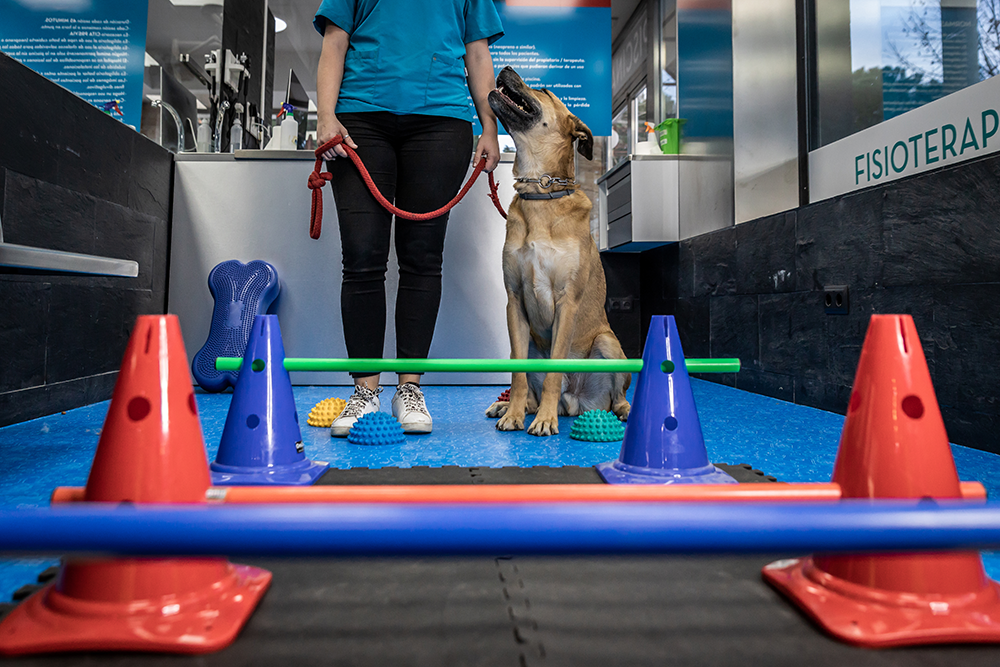
Weeks 5-6: Gradual Progress
Your pet should be more comfortable, but activity still needs to stay limited.
- Increase leash walks as directed by your veterinarian
- Avoid stairs, furniture, and any jumping
- Keep nails trimmed for better traction
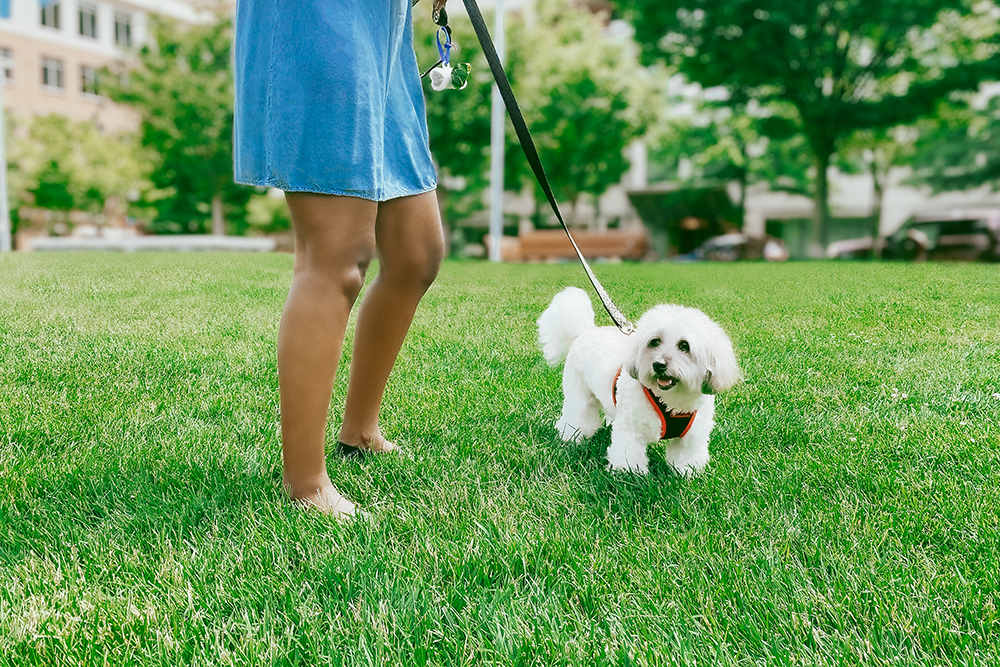
Around 8 Weeks: Recheck Appointment
Your veterinarian will take x‑rays to confirm that bone healing is progressing as expected before activity increases are recommended.

Weeks 9-12+: Returning to Normal
Once your veterinarian clears your pet for more activity:
- Slowly reintroduce off-leash activity once cleared by your veterinarian
- Avoid high-impact play like fetch until your veterinarian says it’s safe
Outcomes and Expectations for TPLO Surgery
Like any orthopedic procedure, TPLO is a significant surgery—but most dogs recover very well1,2 with proper home care. According to one study, over 90% of dogs return to good to excellent function once healing is complete.3
Following your veterinarian’s TPLO recovery instructions is the best way to help your pet avoid complications and regain comfortable mobility.

TPLO FAQs
Common Questions About TPLO Surgery


What is TPLO surgery?
How should you prepare for TPLO surgery?
What outcomes can you expect?
Why is TPLO recommended over other procedures?
Is TPLO right for my dog?
How do you know if your dog needs TPLO surgery?
How long does TPLO surgery take?
What should you expect after TPLO surgery?
How long does TPLO recovery take?
What are the risks of TPLO surgery?
Will my dog need surgery on the other knee?

